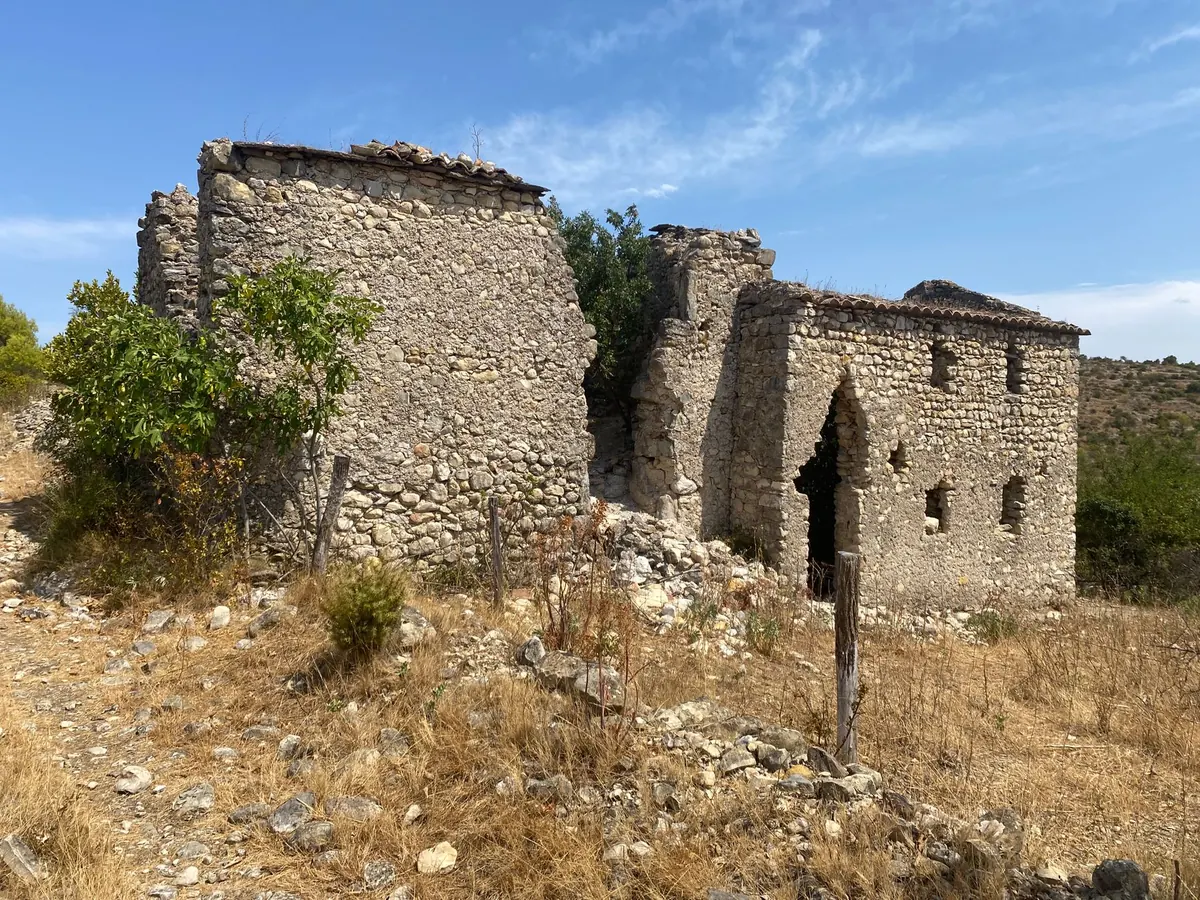
There is a particular moment when a ruined folly stops being romantic and starts being a liability. A lintel sags. A section of wall bulges. You notice a crack that was not there last spring. The instinct is to call in the builders and make it sound again. But soundness, in the wrong hands, can mean the death of character. The trick is to stabilise the structure while leaving the ruin looking as though it has simply weathered another century.
First, Understand What You Are Conserving
Every folly has a story, and that story should shape your approach. A sham ruin built in the eighteenth century to look old is a different proposition from a genuine medieval tower that has fallen into decay. In the first case, the broken walls and tumbled stones are part of the original design. In the second, the ruin is an accident of history. Both can be conserved, but the philosophy differs.
Before you touch anything, gather information. Look at old photographs, estate maps, and any surviving drawings. If the folly is listed, read the listing description carefully. It will tell you what is considered special about the structure—often the very decay you are tempted to tidy up. Check whether the site is in a conservation area or a scheduled monument. Speak to your local planning authority’s conservation officer early. They are not the enemy; they can save you from expensive mistakes.
The Survey: What to Look For
Walk the site with a notebook and a camera. You are looking for three things: movement, water, and vegetation. Take your time. A ruin reveals its problems slowly.
- Cracks: Are they old and stable, or new and widening? A diagonal crack through brickwork often points to movement below. A vertical crack may be settlement or thermal movement.
- Bulging walls: Often caused by a failed roof structure or water getting into the core of the wall. A bulge that grows is a serious warning.
- Vegetation: Ivy, saplings, valerian. Some plants are harmless; others pry stones apart. A tree growing out of a wall must be dealt with carefully.
- Water: Blocked gutters, missing roof sections, failed pointing. Water is the single most destructive agent in any ruin.
- Ground: Sloping, eroded, or waterlogged soil around the base. Poor drainage undermines footings.
Take photographs from the same spots every few months. A simple crack monitor—a glass or plastic tell-tale fixed across a crack—costs little and tells you whether movement is active. If it is, stop and get advice before doing anything else.
Repair, Don't Restore
The golden rule is minimum intervention. Do not rebuild fallen walls to make them straight. Do not repoint with cement. Cement is hard, impermeable, and traps moisture, which then finds the next weakest point and blows the face off your stone. Use lime mortar mixed to match the original in strength, colour, and texture. Lime is softer, breathable, and lets the building move. It also weathers gracefully.
Where stone is missing, resist the urge to replace it with new stone unless the structure is at risk. A gap can be part of the ruin’s charm. If you must replace, use reclaimed stone of the same type and bed it in lime. Never use resin-based adhesives or modern renders on historic fabric. They look wrong and cause damage that will haunt you for decades.
Pointing with Care
Rake out old mortar by hand, not with an angle grinder. Fill the joints with lime mortar, and finish it flush or slightly recessed—not with a raised bead. The goal is to disappear, not to decorate. A well-pointed wall should look as though it has always been that way.
Taming Vegetation Without Stripping It Bare
Ivy is the classic folly companion. It softens edges and adds to the romantic air. But ivy can also get into cracks and hold moisture against the wall. The approach is control, not eradication. Cut ivy at the base and leave the upper growth to die back. It will look scruffy for a season, then fall away. Remove saplings and brambles entirely; their roots do real damage. Valerian and wallflowers are light and can stay. If a tree is growing out of the wall, it must go—roots will prize the structure apart. But do not pull it out; cut it down and kill the stump, or you will bring the wall with it.
Structural Stabilisation Techniques
When movement is active, you need more than pointing. But the methods should be reversible and unobtrusive. Talk to a conservation-accredited structural engineer before doing anything. Common approaches include:
Underpinning — traditional mass concrete underpinning can be too harsh; lime-based grouting or mini-piles may be better. The aim is to support, not to rigidify everything.
Buttressing — a new buttress can save a wall, but it should be in matching materials and, if possible, designed to look like a later addition rather than a modern prop. Sometimes a discreet steel frame behind the wall is less visible.
Tying — stainless steel ties can connect a bulging wall to a sound floor or another wall. They are drilled in and fixed with resin or mechanical anchors. The holes are small and can be filled with lime.
Corseting — for a tall, thin ruin, a discreet band of stainless steel or oak can hold the walls together. It is visible, but if detailed well, it reads as a structural repair rather than a scar.
Grouting — lime grout can fill voids in rubble cores. It is injected at low pressure through small holes. It can stabilise without changing the surface.
Always choose the least invasive option that works. Monitor after work. A little movement is often fine; it is sudden or accelerating movement that matters.
Soft-Capping and Weathering Details
The top of a ruined wall is where water does its worst. A hard cement cap traps moisture and cracks. A soft cap—a layer of turf or a lime-based mortar fillet—lets water run off while allowing the wall to breathe. Turf caps look natural and encourage the ruin to blend into the landscape. If you use turf, keep it trimmed and remove woody weeds. For a more formal look, a slightly domed lime mortar cap is fine, but it must be maintained.
Check gutters and drainage. Even a ruin needs water to go somewhere. A simple French drain or a gravel-filled trench at the base can stop water pooling against the footings. Clear any blocked slots or weep holes. If there is a surviving roof or vault, keep it watertight with traditional materials—lead, slate, clay tiles, lime mortar. A dry ruin decays far more slowly than a wet one.
When to Call in the Professionals
You can do a lot yourself: clearing vegetation, monitoring cracks, keeping drains clear, even light repointing with lime. But some jobs need expert help. If a wall is leaning more than a few degrees, if a crack is wider than a pencil, if you see a bulge that grows, or if the ground is moving, stop. Contact a conservation-accredited structural engineer and, if the folly is listed, your local planning authority’s conservation officer. They can advise on what is permitted and what needs consent. For listed buildings, you often need listed building consent for works of repair or alteration. Always check before starting.
A ruined folly is a fragile thing. It has survived this long because someone, somewhere, made a series of small, sensible decisions. Your job is to continue that tradition. Stabilise what needs stabilising, leave alone what does not, and let the weather do the rest. The result should look as though no one has touched it at all—even though you have.
Photo: histoires à croquer / Pexels